

The Modern Publisher’s Playbook: How WordPress 7.0, AI, and Smarter Stacks Are Reshaping Digital Publishing in 2026
An in-depth look at how WordPress is evolving to meet the demands of modern digital publishers, from real-time collaboration and AI-powered workflows to omnichannel distribution and audience intelligence.
Our Speakers

Aslam Multani
Co-Founder and CTO


Jeremy Fremont
Director of Business Development

Gyles Seward
EMEA Commercial Director

Jay Moore
Director of Account Strategy

James Hill
Media & Publishing Lead


Ross Mulcahy
Solutions Engineering Lead

Josh Fosburg
Head of Media and Entertainment

Neil Powell
Solutions Engineering Lead
Watch Webinar
In this webinar, experts from Multidots, WordPress VIP, and Parse.ly explore what it means to be a digital publisher in 2026 and how WordPress is evolving to meet the moment. From the impact of AI on organic traffic and the rise of zero-click searches to WordPress 7.0's real-time collaborative editing and AI infrastructure, the panel covers the full spectrum of challenges and opportunities facing enterprise publishers today. They also examine the modern publisher technology stack, editorial workflow optimization, AI-powered content creation and personalization, and real-world success stories from publishers who have transformed their operations on WordPress.
Key Lessons on AI, Editorial Workflows, and Platform Strategy
A comprehensive look at the state of WordPress publishing in 2026, covering platform evolution, editorial workflows, AI integration, and proven publisher success strategies.
The Publishing Landscape in 2026
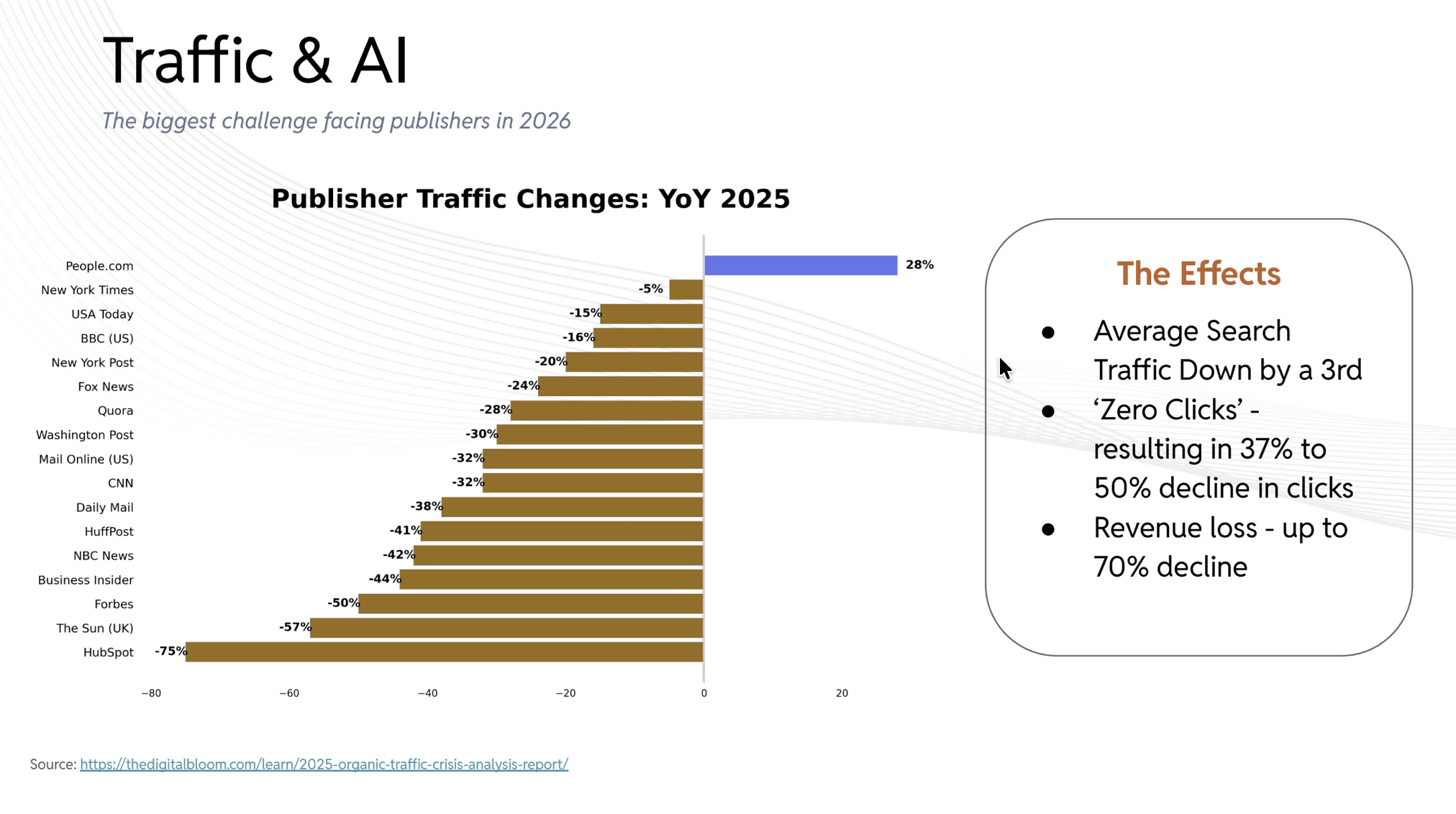
The publishing industry faces unprecedented disruption in 2026. AI-driven search has caused organic traffic declines of up to 75% for major publishers, with zero-click searches resulting in a 37-50% drop in click-through rates. Add platform fragmentation across social media, TV, apps, and newsletters, and the case for investing in your own platform has never been stronger. Publishers must re-engineer their business models, embrace AI on their own terms, go to their audiences, and own their reader relationships.
WordPress 7.0 - A Publisher's Game-Changer
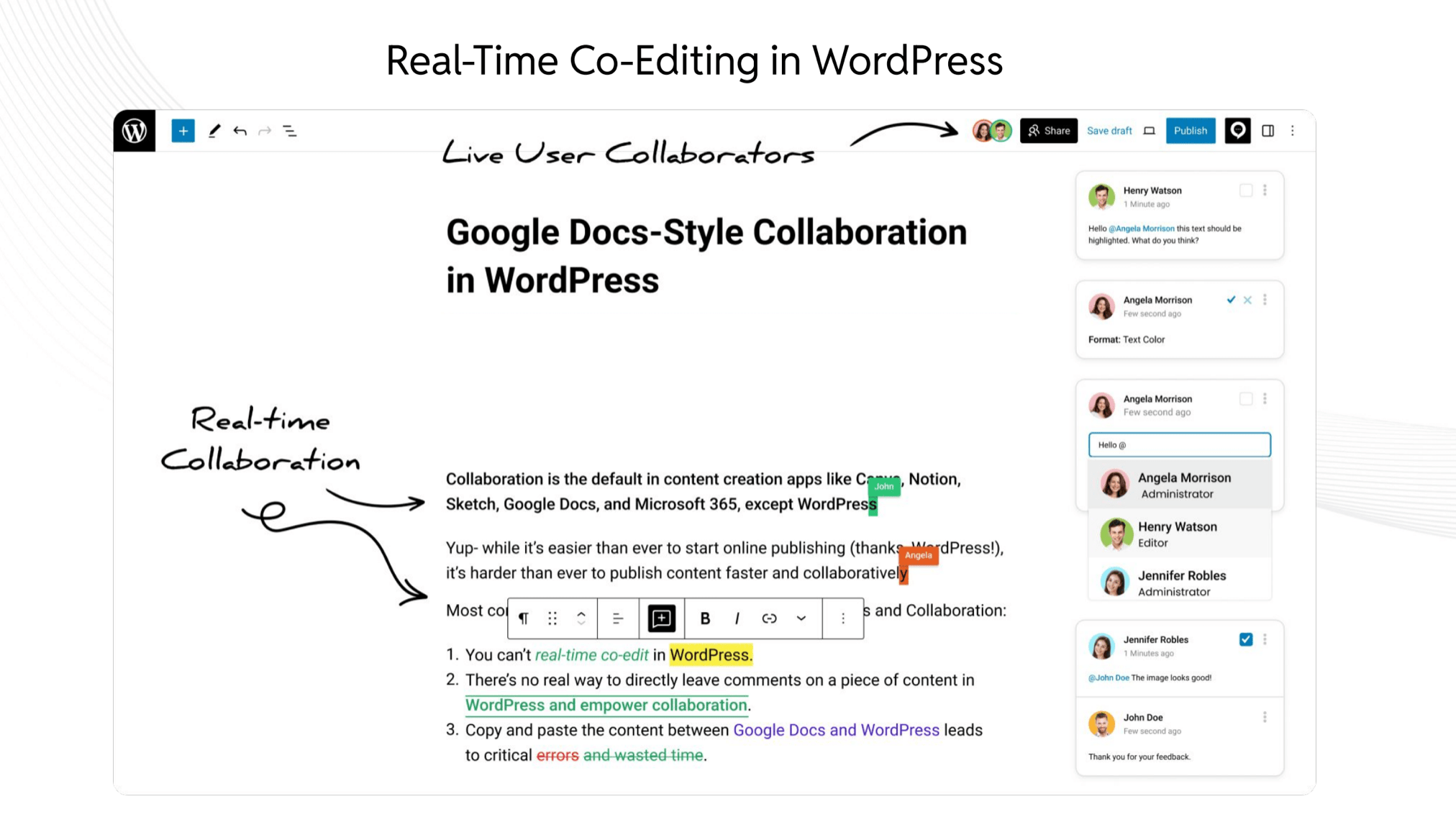
WordPress 7.0, launching April 9, 2026 at WordCamp Asia, is more than a version bump. It introduces real-time collaborative editing with live cursors and CRDT-based conflict resolution, editorial workflow enhancements including multi-block notes, visual revisions with timeline scrubbing, and audit trails. New enterprise governance features and a provider-agnostic AI API allow publishers to connect Claude, GPT, or custom models through one standardized interface, all governed by their own editorial policies.
The Modern Publisher Stack
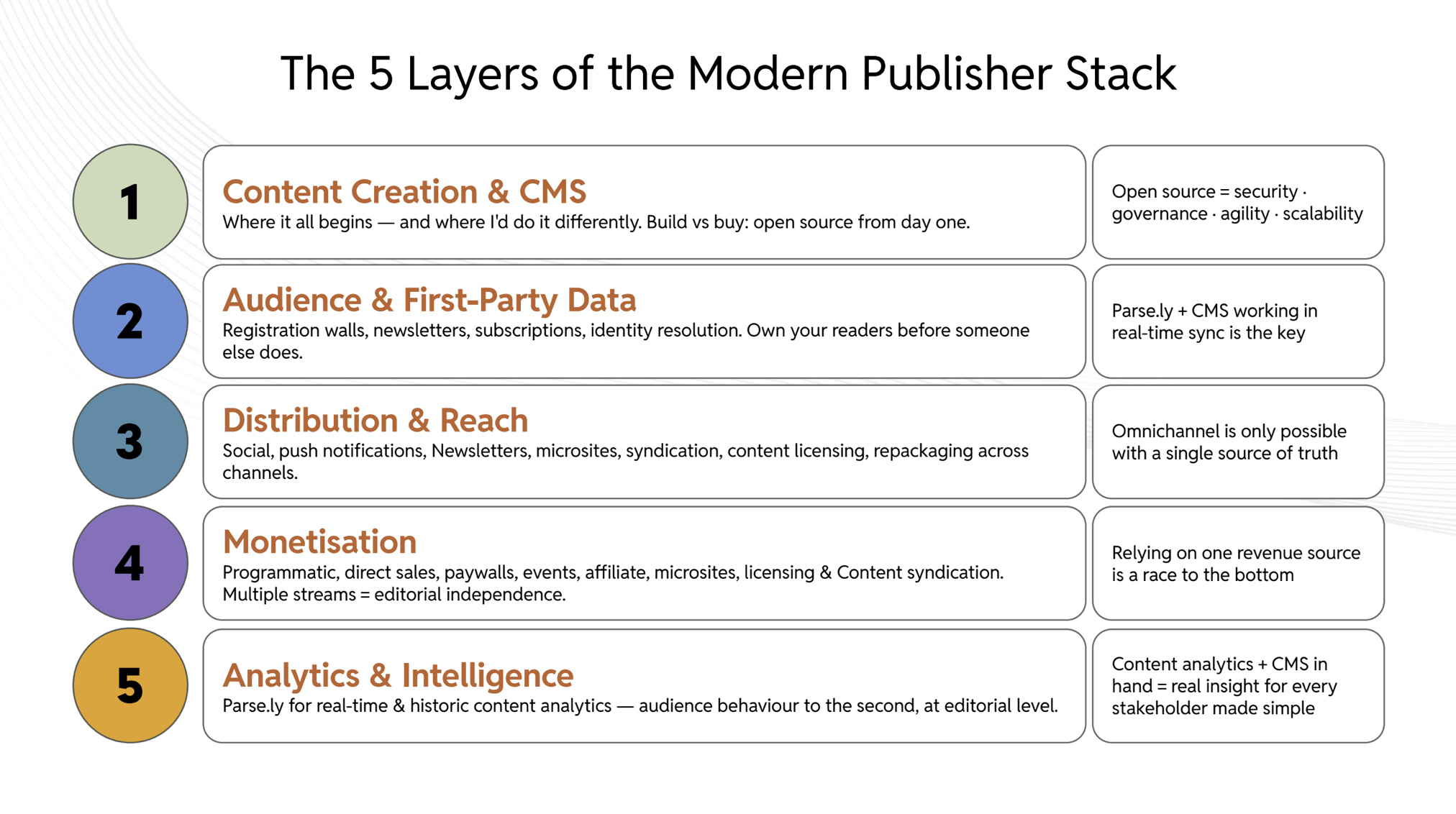
James Hill draws from over 25 years of publishing experience to map the journey from print-first operations through fragmented digital silos to a unified, single-source-of-truth CMS. The modern publisher stack has five layers: content creation and CMS, audience and first-party data, distribution and reach, monetization, and analytics and intelligence. With WordPress VIP and Parse.ly working together, publishers unlock omnichannel publishing, diversified revenue streams, and real-time content analytics at the editorial level.
Editorial Workflows & Content Velocity
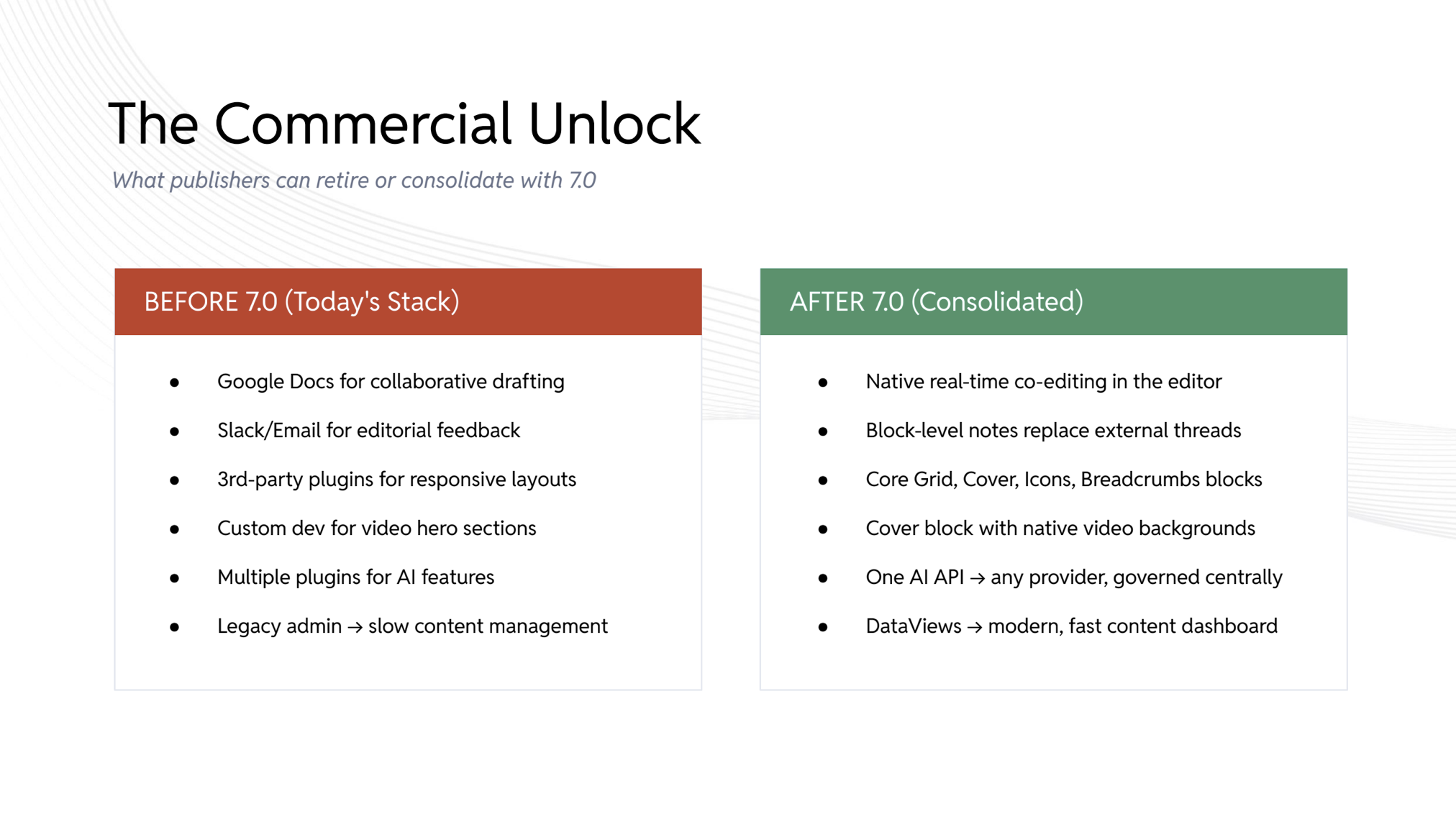
Ross Mulcahy demonstrates how WordPress VIP accelerates editorial workflows for high-output newsrooms. The session covers how publishers can move from fragmented tool stacks, including Google Docs for drafting and Slack for feedback, to a consolidated WordPress workflow with native real-time co-editing, block-level notes, and automated content syndication. The result: faster time-to-publish, fewer errors, and editorial teams that spend more time on content and less on process.
AI & The Future of Publishing on WordPress
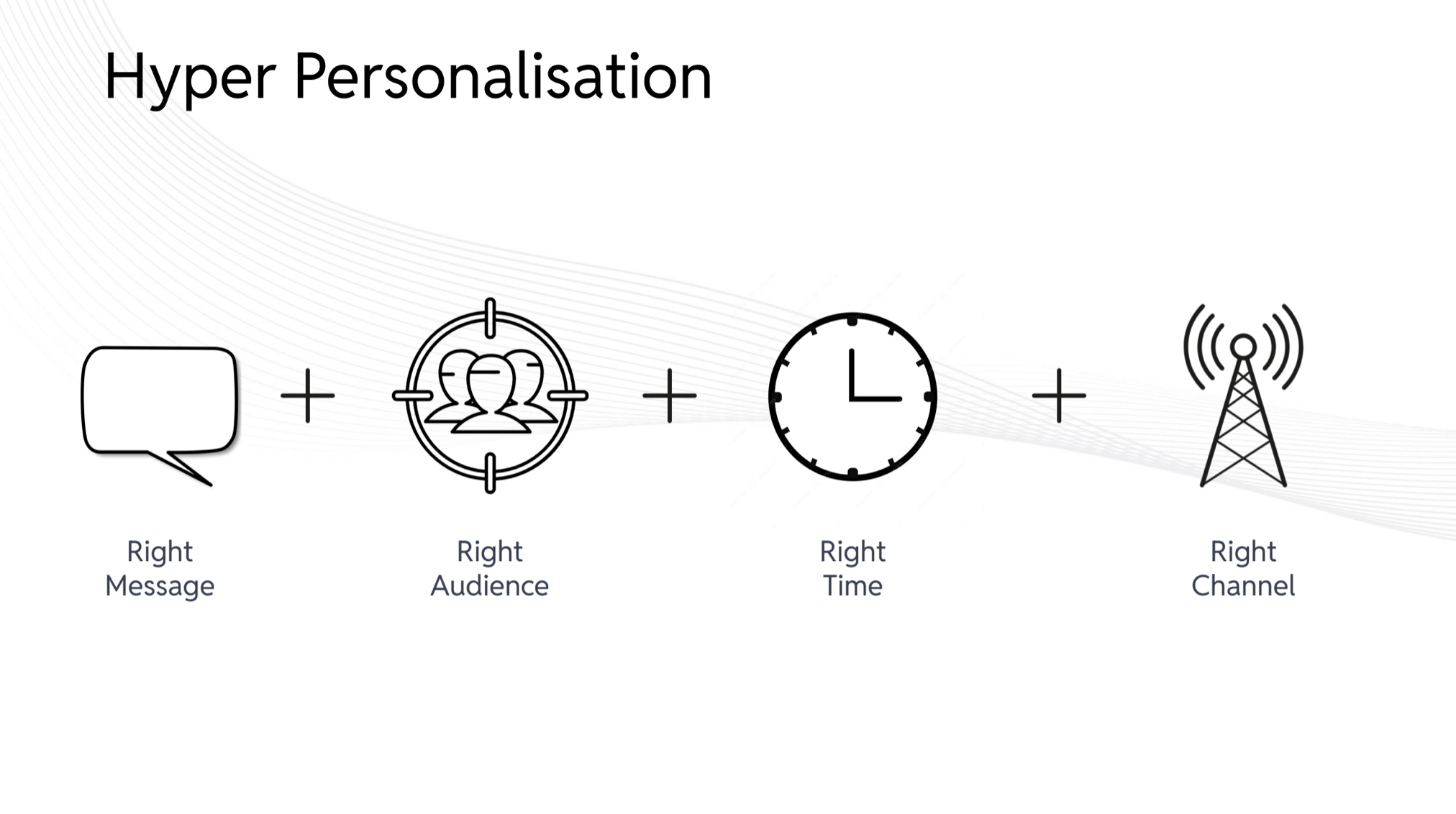
WordPress is moving toward an AI-first ecosystem in 2026. This session covers AI for content creation (draft generation, tone adjustment, translation), media and design (image generation, auto alt-text), and SEO/GEO optimization (meta generation, content scoring, internal link suggestions). The panel also explores hyper-personalization, from personalized homepage layouts and dynamic article recommendations to propensity-based paywalls and automated segmentation, while addressing risks like AI hallucinations, content quality, and API costs. Includes a live Parse.ly demo by Neil Powell.
Publisher Success Stories
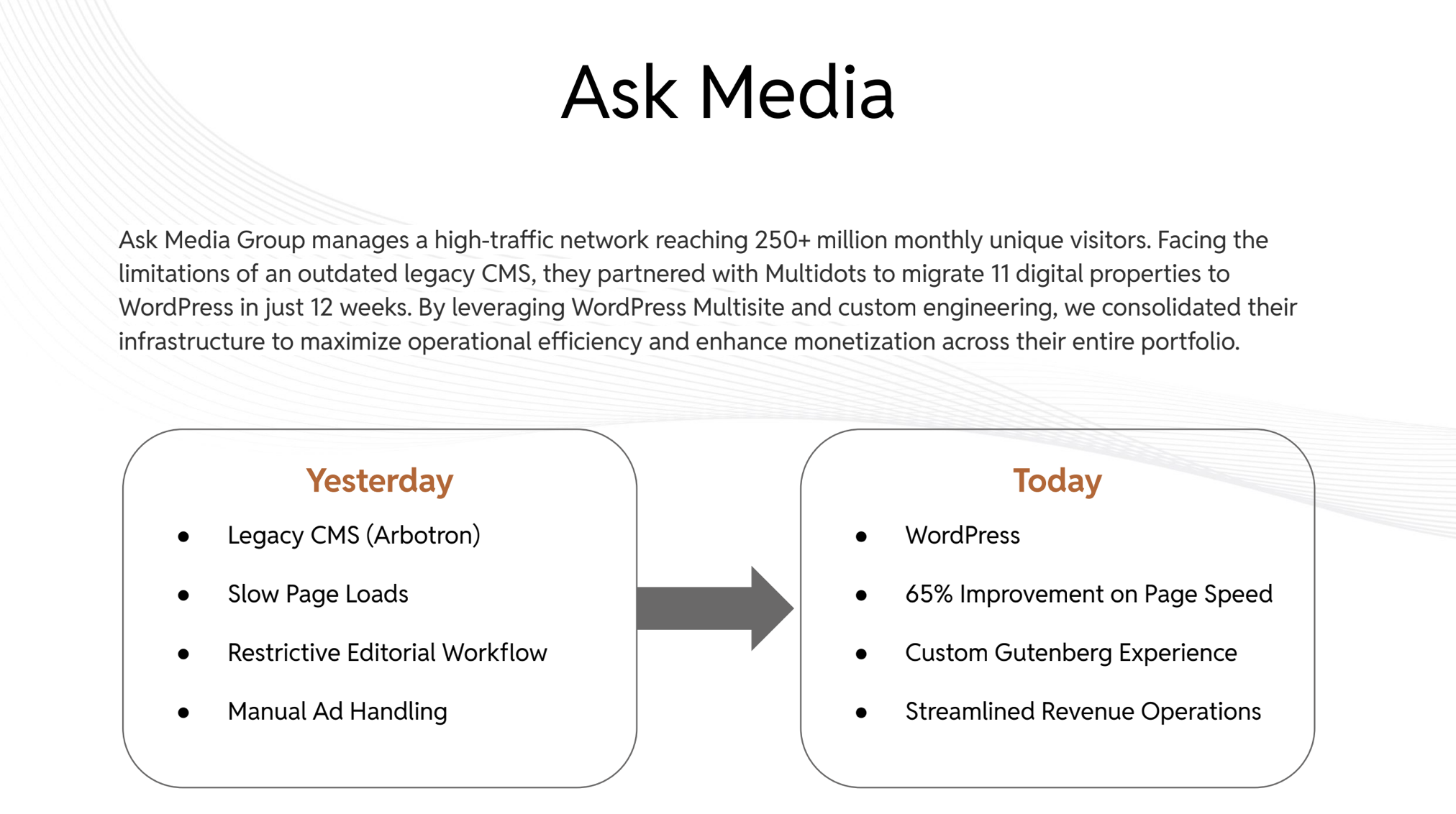
Real-world case studies demonstrating the impact of WordPress migration and optimization. Ask Media Group migrated 11 digital properties from a legacy CMS (Arbotron) to WordPress in just 12 weeks, achieving a 65% improvement in page speed and streamlined revenue operations across their network of 250+ million monthly visitors. ABUV Media, a high-growth education and personal finance publisher, scaled from a startup to a $15 million ARR business with 60%+ margins over a six-year partnership with Multidots, managing 50+ WordPress-based subdomains before a successful acquisition.