
Choosing a content management system shapes how your organization builds, publishes, and scales for years. It decides how much you depend on developers, how quickly marketers can ship, what you pay as usage grows, and how easily you can adapt when requirements change.
Contentstack and WordPress answer those questions in very different ways. Contentstack is an enterprise, headless, composable platform that delivers content through APIs to any channel you build. WordPress is the most widely used CMS in the world, powering around 43% of all websites, and it works as a complete system out of the box while still supporting headless architectures when you need them. The decision comes down to how much you want to assemble from best-of-breed pieces versus how much you want ready on a single, cost-effective platform.
This guide breaks down Contentstack and WordPress across every dimension that matters to a business decision-maker, from cost and security to scalability and long-term flexibility.

What is Contentstack?
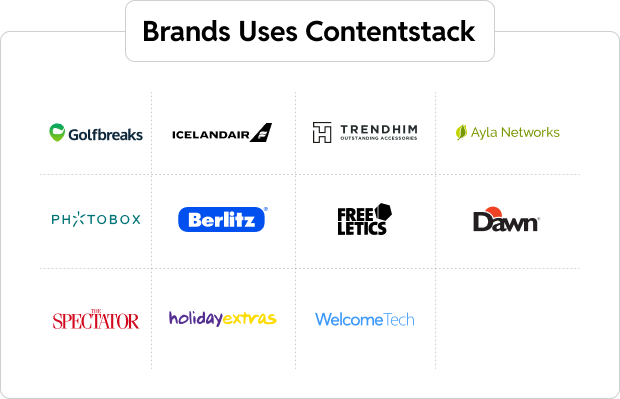
Contentstack is an enterprise, API-first headless CMS and composable digital experience platform, and one of the founding members of the MACH Alliance (Microservices, API-first, Cloud-native, Headless). Instead of running a server, it delivers content through APIs to any channel you build, from websites and mobile apps to IoT and connected devices.
It is designed for large organizations assembling a composable stack, and it has expanded beyond content into personalization, automation, and AI-driven capabilities. Editors work with enterprise workflows, versioning, and live preview, while developers integrate Contentstack with the rest of a best-of-breed architecture. Pricing is enterprise and contract-based, quoted per organization rather than published.

What is WordPress?
WordPress is an open-source CMS, released under the GPL, that has grown into the platform behind a large share of the modern web. It combines a gentle learning curve with an enormous ecosystem of free plugins and themes, so most functionality is available without custom development.
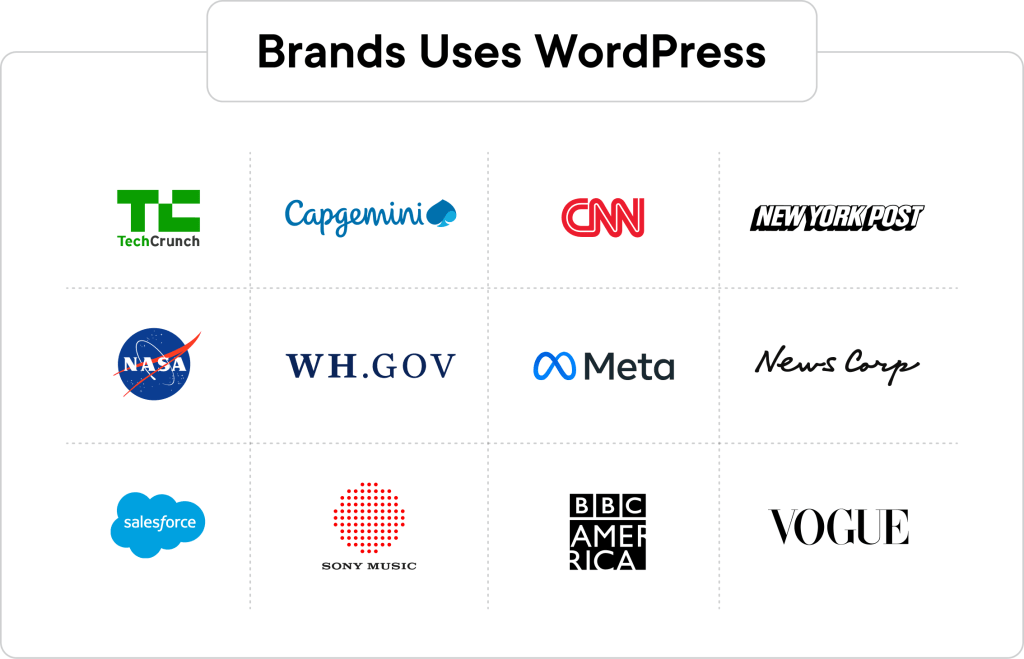
Unlike a headless-only platform, WordPress works as a complete CMS out of the box and can also run headless when a decoupled or omnichannel architecture is required. Through WordPress VIP, it powers mission-critical, high-traffic sites with enterprise-grade security, compliance, and managed hosting, and it is trusted by major global brands and publishers. That combination of an all-in-one core, headless flexibility, a free license, and a vast global talent pool is what makes WordPress the pragmatic default for organizations of every size.
Contentstack vs WordPress: Understanding the Differences
The core difference is architecture and intent. Contentstack is headless and composable by design. It manages content and hands it off through APIs, and everything a visitor sees is built and hosted separately as part of a wider best-of-breed stack. That model gives large enterprises flexibility to assemble exactly the systems they want, but it also means there is no website until teams build one, and each capability is integrated and maintained rather than switched on. For organizations without a large in-house engineering team, that composable approach can become an operational burden rather than an advantage.
WordPress takes an all-in-one approach. Content, templates, and the public site come together in a single platform, and thousands of plugins add capabilities without custom development. When a project genuinely needs a decoupled or omnichannel front end, WordPress can run headless too, feeding a framework through its API. In other words, WordPress can operate the way Contentstack does when required, without forcing that complexity, or its cost, onto every project.
So the choice is composability versus consolidation. Contentstack front-loads an enterprise composable stack for organizations that want it, while WordPress front-loads a complete, cost-effective platform with the option to go headless when the need arises.
The Qualities of an Ideal Enterprise CMS Solution
Before the detailed comparison, it helps to define what a strong enterprise CMS should deliver:
- Flexibility and customization to model any content structure and integrate with existing systems
- A large, accessible talent pool so you are never dependent on a handful of specialists
- Editorial independence so marketers can publish and iterate without waiting on developers
- Security and compliance suitable for regulated industries and high-traffic sites
- Performance and scalability to handle omnichannel delivery and traffic spikes
- Predictable total cost of ownership across licensing, build, hosting, and maintenance
- Long-term viability, backed by an active ecosystem and a clear roadmap
These criteria frame the comparison below.
Quick Comparison of Contentstack vs WordPress
Here is a high-level view before we go deeper into each dimension.
| Feature | Contentstack | WordPress |
|---|---|---|
| Type of CMS | Enterprise headless, composable DXP | Full CMS, headless-capable |
| Licensing | Proprietary SaaS, enterprise contract | Free (open-source, GPL) |
| Hosting | Contentstack hosts content; you host the front end | Self-hosted or managed (including VIP) |
| Ease of use | Editor-friendly after developers build the stack | Approachable end to end |
| Customization | Composable, omnichannel, any framework | Vast via plugins, themes, and custom development |
| Front end | You build and maintain it | Built in, or headless if needed |
| Plugins and integrations | Curated enterprise integrations | 60,000+ free plugins |
| E-commerce | Via composable commerce integrations | WooCommerce and full commerce ecosystem |
| Cost model | Five- to six-figure annual contracts | Free license, pay for hosting and development |
| Talent pool | Smaller, enterprise-focused | Very large and global |
| Ideal for | Omnichannel enterprises with a composable strategy | Almost any content-driven website |
Contentstack vs WordPress: Full Comparison
Here is how Contentstack and WordPress compare across the nine dimensions that most influence an enterprise CMS decision.
1. Ease of Use and Setup Process
Contentstack gives editors a capable interface, but standing up a site requires developers and a composable setup. Teams model content, build and host a front end, and integrate the surrounding stack before anything goes live, which is a significant engineering effort. Smaller teams often find the ramp-up longer than expected.
WordPress is usable end to end. Installation is simple, themes provide a working site immediately, and content editors publish without developer involvement. A marketing team can launch and run a WordPress site with far less engineering support, and developers extend it when the business requires more.
Verdict: WordPress wins on speed to launch and independence from developers. Contentstack offers a polished editing experience, but only after an enterprise build.
2. Customization and Flexibility
Contentstack is built for composable, omnichannel flexibility. Content can be delivered to web, mobile, and connected devices from one source, and enterprises can assemble any combination of best-of-breed systems around it. That is powerful for a mature digital team, though it assumes the resources to run and evolve the stack.
WordPress matches everyday flexibility through themes, plugins, and custom development, and it can also run headless to serve multiple channels when needed. Custom post types and fields model complex content without leaving the platform, so WordPress supports both the traditional and the decoupled model.
Verdict: A tie, with different strengths. Contentstack leads for large-scale composable and omnichannel programs, while WordPress covers more architectures from one platform at a fraction of the cost.
3. Content Management and Editorial Experience
Contentstack offers strong enterprise editorial features: granular workflows, versioning, role-based governance, and live preview across channels, which suits large teams coordinating complex publishing.
WordPress delivers a mature editorial experience through the block editor, custom roles, revisions, and workflow and collaboration tools such as Multicollab for larger teams. Non-technical contributors are productive immediately across a very wide range of content, and approval flows scale from a small team to a large newsroom without added platform cost.
Verdict: A tie. Contentstack is excellent for omnichannel enterprise governance, while WordPress offers broader, more accessible editorial tooling.
4. Plugins, Extensions, and Integrations
This is a decisive gap. WordPress offers more than 60,000 free plugins plus a large commercial market, covering SEO, forms, analytics, e-commerce, security, and nearly every integration a business needs, usually with no custom development.
Contentstack provides a curated marketplace of enterprise integrations and connectors, which are well-suited to a composable stack, but the catalog is far smaller. Capabilities that a WordPress plugin adds in minutes are typically integrated and maintained in code.
Verdict: WordPress wins decisively on breadth. Contentstack’s integrations are enterprise-focused but require more engineering to assemble.
5. Security Features
Contentstack benefits from the enterprise SaaS model. The vendor manages infrastructure, maintains compliance certifications, and serves content through a hardened cloud, so there is no server or plugin stack for the customer to patch.
WordPress carries a reputation for vulnerabilities, but that risk lives mostly in poorly maintained plugins and cheap hosting rather than the core, which is actively hardened. On enterprise-grade infrastructure such as WordPress VIP, WordPress meets stringent security and compliance standards for global brands.
Verdict: Contentstack has a slight edge on out-of-the-box compliance and low-maintenance security. WordPress closes the gap with enterprise hosting, hardening, and disciplined maintenance.
6. Performance and Scalability
Contentstack is cloud-native and built for scale, delivering content through a global CDN and APIs that handle omnichannel traffic and spikes smoothly.
WordPress scales to some of the highest-traffic sites on the web when paired with caching, a CDN, and enterprise hosting, and a headless WordPress build can match a decoupled architecture directly. Our performance optimization work regularly takes WordPress platforms to sub-second load times under heavy load.
Verdict: A tie. Both reach enterprise-grade performance and scale; Contentstack is fast by default, while WordPress achieves the same with proper engineering.
7. Ownership Costs and Total Cost of Ownership
Contentstack uses enterprise, contract-based pricing. It is not published, but industry estimates put annual contracts anywhere from the tens of thousands into the six figures, depending on usage, channels, and modules. On top of the platform fee, you still build and host the front end and integrate the surrounding stack, so engineering is a permanent line item. Total cost also includes implementation partners and ongoing integration work, which can rival or exceed the platform fee itself.
WordPress is free to license. You pay for hosting and development, but there are no platform contracts or per-usage fees, and the large global talent pool keeps build and maintenance competitive. For most organizations, avoiding a recurring enterprise license makes WordPress dramatically more cost-effective over time.
Verdict: WordPress wins on total cost of ownership. Contentstack’s pricing is justifiable for large composable programs, but it is out of reach for many budgets.
8. SEO and Marketing Capabilities
WordPress gives marketing teams direct control. Mature SEO plugins, landing-page tools, analytics integrations, and a deep martech ecosystem let marketers work without a developer in the loop, and our growth services build on that self-sufficiency.
Contentstack supports strong technical SEO and adds personalization and experimentation in its broader DXP, but much of the implementation lives in the front-end code and the wider stack, so marketers depend more on developers for changes. Unlocking the full DXP also means adopting, and paying for, more of the platform.
Verdict: WordPress wins on marketer independence and the depth of its ready-made marketing ecosystem.
9. Support and Community
Contentstack provides enterprise-grade support, SLAs, and professional services, which large customers value, though its community and pool of independent experts are comparatively small. Day-to-day answers more often route through paid support than a public forum, and hiring experienced talent takes longer.
WordPress has the largest CMS community in the world: extensive documentation, forums, events, and a global network of agencies and freelancers. Whatever the challenge, someone has likely solved it and published the answer, and enterprise support is available through specialized partners.
Verdict: WordPress wins on the scale and reach of its community, while Contentstack is strong on dedicated enterprise support.
Contentstack vs WordPress: Which CMS is Right for Your Business?
The right platform depends on your architecture, your budget, and how much you want to assemble yourself.
Choose Contentstack if:
- You are committed to a composable, MACH-based architecture across many channels
- You have the engineering capacity to build and maintain a best-of-breed stack
- Omnichannel delivery to web, mobile, and devices is central to your strategy
- An enterprise budget for a contract-based platform is available
- You want a fully managed SaaS with enterprise support and compliance
Choose WordPress if:
- You want a complete platform your marketing team can run independently
- You need a vast ecosystem of plugins, integrations, and ready-made solutions
- You want the option of both traditional and headless architecture from one platform
- You value a free license and predictable costs without enterprise contracts
- You want to hire from a deep, global talent pool
- You need the largest community and the most mature enterprise hosting
For most organizations, WordPress is the more practical, cost-effective, and versatile choice. Contentstack is a strong fit for enterprises with a committed composable strategy and the budget and engineering to support it, but that describes a narrow slice of the market rather than the typical business.
Why Companies Migrate from Contentstack to WordPress
Organizations that move from Contentstack to WordPress usually do so for a consistent set of reasons.
- Lower cost. Replacing a five- or six-figure annual contract with a free license plus hosting and development is often the single biggest driver.
- Less to assemble and maintain. WordPress delivers a complete site out of the box, so teams stop integrating and maintaining a composable stack and a separate front end.
- Marketing independence. SEO, landing pages, forms, and campaigns become self-service through plugins and tools, rather than requiring developer work for each change.
- Larger talent pool. WordPress talent is available globally and affordably, which reduces hiring risk compared with staffing a specialized composable stack.
- Broader functionality. The plugin ecosystem covers e-commerce, membership, multilingual, and more without custom builds, from WooCommerce to marketing integrations.
- Architecture flexibility. WordPress keeps the headless option open through headless WordPress, so teams retain a decoupled, omnichannel path without enterprise lock-in.
Migrating from an enterprise headless platform is well understood. With the right partner, content models, URLs, and SEO equity are preserved throughout the move, and downtime is kept to a minimum.
How Multidots Can Help?
Multidots is an enterprise WordPress agency and a WordPress VIP Premier Partner, with 17+ years in WordPress, 1000+ platform migrations, and 500+ websites delivered for brands and publishers worldwide. We are also the fifth-largest global contributor to WordPress and hold SOC 2 Type II compliance.
If you are weighing Contentstack against WordPress, or planning a migration, we can assess your current setup, map a migration path that protects your content and search rankings, and build a WordPress solution, traditional or headless, around your performance and editorial needs. We also provide staff augmentation and managed services to support your team long after launch.
Ready to explore whether WordPress is the right move for your organization? Get in touch with our team for a free consultation and migration assessment.
Contentstack vs WordPress: FAQs
Both can serve enterprises. Contentstack is purpose-built for composable, omnichannel programs and suits organizations committed to a MACH architecture. WordPress matches enterprise requirements through WordPress VIP and a headless option, while offering a far lower total cost of ownership, which makes it the better fit for most organizations.
Yes. A headless WordPress build exposes content through APIs to websites, apps, and other channels, much like Contentstack, while keeping the plugin ecosystem and marketing tools that a headless-only platform lacks.
The main considerations are remodeling content types, exporting API-delivered content, and preserving URLs and SEO equity. These are well-understood challenges that an experienced migration partner manages with careful planning, redirects, and testing.
Yes. A SaaS platform offloads infrastructure security, but WordPress on enterprise hosting with proper hardening and maintenance meets strict security and compliance standards and is trusted by major global brands and publishers.
In most cases, yes. WordPress has no license fee and no enterprise platform contract. You pay for hosting and development, which, combined with a large talent pool, typically makes total cost of ownership far lower than a contract-based enterprise platform.