WordPress Audit Services for Enterprise and High-Growth Websites
Identify the performance bottlenecks, security risks, SEO gaps, and scalability issues silently costing you revenue, rankings, and engineering hours. Run by VIP-certified WordPress engineers, our audit gives leadership a prioritized roadmap your team can ship against.
Trusted by some of the world’s leading brands






What’s Quietly Hurting Your WordPress Site Right Now
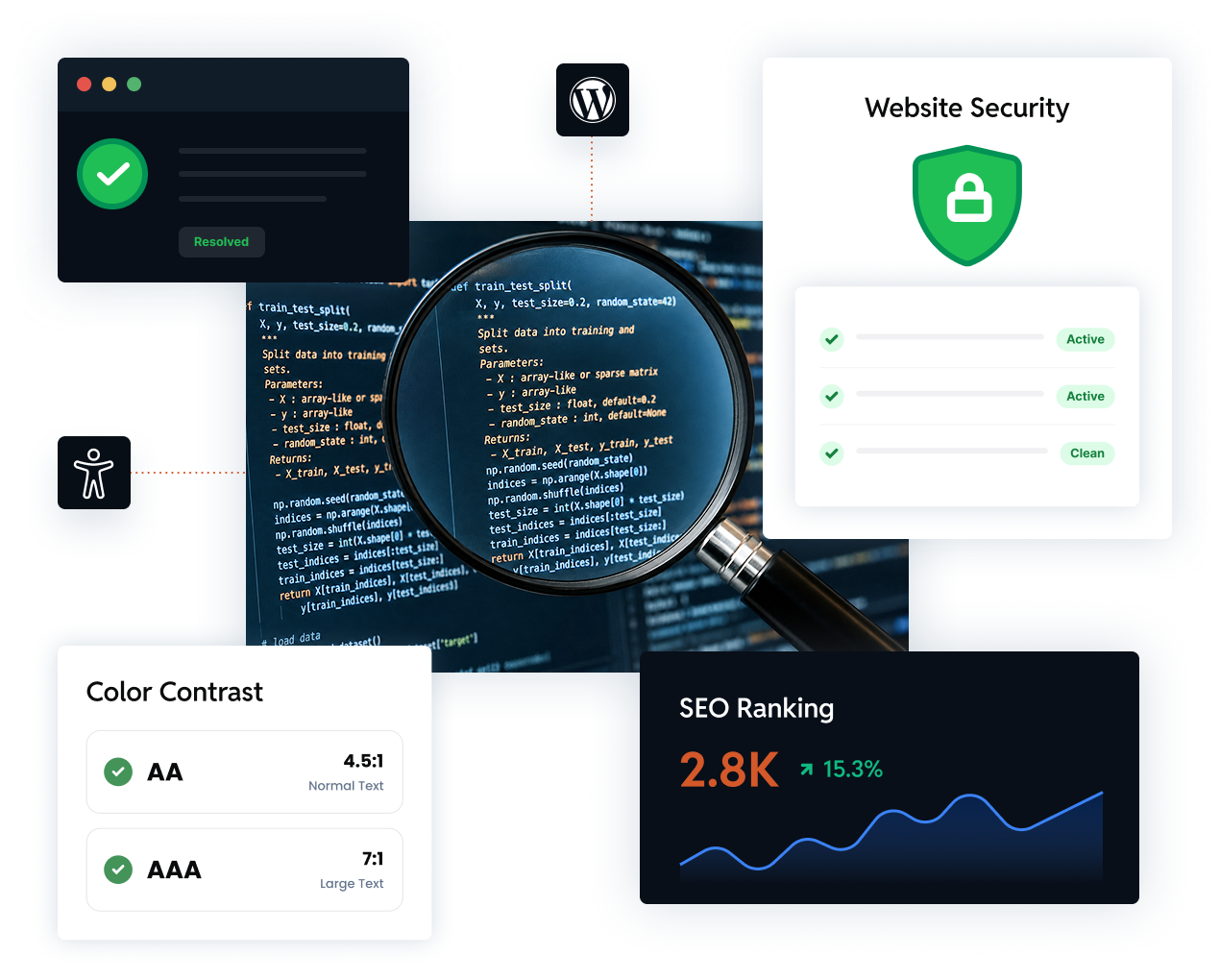
Most enterprise WordPress sites don’t fail loudly. They lose ground gradually: a few hundred milliseconds added by a plugin update, an unindexed product category nobody noticed, a CVE that drifted out of patch coverage. By the time it shows up in revenue or rankings, it’s a quarter behind. The audit surfaces these issues before they do.

Slow Core Web Vitals Killing Rankings
Google demotes slow sites in mobile rankings. Every 100ms of added LCP can cost measurable organic traffic on revenue-driving templates.

Plugin Bloat and Technical Debt
The average enterprise WordPress site runs 40+ active plugins. Most carry redundant features, conflicting hooks, and PHP that hasn’t been updated in years.

Security Vulnerabilities You Haven’t Patched
Outdated cores, abandoned plugins, weak access controls, and unhardened wp-config files account for almost every WordPress breach we see in the wild.

SEO Visibility Loss After Replatforming
Sites that migrated in the last 24 months frequently carry indexation debt, broken canonicals, and schema gaps that suppress organic growth for years post-launch.

Scalability That Breaks Under Real Traffic
Sites that look fine at baseline often collapse at 3x load. Cron storms, cache misses, unindexed queries, and autoload bloat are the usual culprits.
Each of these maps to a measurable business outcome: lost revenue, lost rankings, compliance exposure, or operational drag on your engineering team.
What Our WordPress Audit Covers
We assess the full surface area of your WordPress estate, not just what a public-facing scanner can read. Each pillar below maps to a deep-dive section further down the page.
Infrastructure and Architecture
Security and Compliance
Performance and Stability
SEO and Discoverability
Accessibility and UX
Plugins, Themes, and Custom Code
Governance, Analytics, and Monitoring
Infrastructure and Architecture Audit
The platform decisions made years ago are usually the ones bottlenecking you today. This pillar tells you whether your stack can carry the next 24 months of growth, or whether something fundamental has to change before you scale further.
What We Examine:
- Hosting setup and server configuration (managed, VIP, self-hosted, cloud)
- Environment parity across dev, staging, and production
- Deployment pipelines, release safety, and rollback posture
- Multisite topology and network configuration where applicable
- CDN setup, edge caching behavior, and origin shielding
- DNS configuration, SSL setup, and traffic routing
- Backup strategy and disaster recovery readiness
- Containerization and infrastructure-as-code maturity (where applicable)
- Cost efficiency of current infrastructure vs traffic load
Outcomes:
- A clear architectural scalability score (carry-capacity for 2x, 5x, 10x growth)
- Identified single points of failure and the fixes that remove them
- Deployment maturity assessment with concrete next-step recommendations
- Infrastructure cost-vs-performance benchmark
Security and Compliance Audit
The most damaging WordPress breaches we see aren’t sophisticated. They exploit something obvious that nobody owned. This pillar gives you a board-ready risk register and a sequenced remediation path.
What We Examine:
- WordPress core, theme, and plugin versions against known CVEs
- User roles, capability mapping, and access control hygiene
- Authentication setup (2FA, SSO, password policies)
- File system hardening and wp-config security
- Session, cookie, and CSRF handling
- API endpoint exposure (REST, XML-RPC, GraphQL where applicable)
- Outgoing data flows (PII, analytics, third-party integrations)
- GDPR, CCPA, and SOC 2 alignment for data handling
- Backup integrity and ransomware resilience
- Audit logging and forensic readiness
Outcomes:
- Severity-scored risk register mapped to exploitability and remediation effort
- PII data flow map and compliance gap report
- Hardening checklist your engineering team can execute against
- Format suitable for security review and board reporting
Performance and Core Web Vitals Audit
Performance is no longer a UX nice-to-have. Google ranks on it, conversion depends on it, and infrastructure costs scale with how efficiently you run. This pillar gives you a measurable baseline and a roadmap ranked by impact, not by what’s easiest to ship.
What We Examine:
- Core Web Vitals (LCP, INP, CLS) across top revenue-driving templates
- Time to first byte (TTFB) and server response benchmarks
- Caching layers: object cache, full-page cache, plugin-level caching, CDN
- Database health: slow queries, missing indexes, autoload bloat, transient overuse
- WP-Cron behavior and background task efficiency
- Asset delivery: image optimization, lazy loading, JS/CSS bundling
- Third-party script impact and tag manager bloat
- Mobile vs desktop performance parity
- Load behavior at 2x, 5x, and 10x baseline traffic (where relevant)
Outcomes:
- Performance benchmark pack covering every key template
- Load test results for peak-readiness assessment
- Prioritized performance roadmap ranked by traffic impact and revenue
- Specific dev tickets ready for sprint planning
SEO and Discoverability Audit
Most WordPress SEO problems aren’t on-page. They’re structural, and they compound silently until you’ve lost a year of organic growth. This pillar separates “fix this in week one” from “fix this in quarter two.”
What We Examine:
- Crawl health, indexation coverage, and orphan page detection
- Site architecture, internal linking depth, and link equity distribution
- Canonicalization, pagination, and duplicate content handling
- Robots.txt, XML sitemap configuration, and crawl directives
- Schema markup coverage and validity (Organization, Article, Product, FAQ)
- Hreflang setup and international SEO posture
- Migration-related SEO debt (if replatformed in the last 24 months)
- Core Web Vitals as a ranking factor (cross-linked with performance audit)
- Editorial SEO hygiene (titles, metas, headings, alt text)
Outcomes:
- Prioritized SEO roadmap with week-one quick wins and quarterly structural fixes
- Schema implementation plan covering all eligible content types
- Indexation health report with specific URL-level findings
- Migration SEO recovery plan (if applicable)
Plugins, Themes, and Custom Code Audit
The code is where promises live or die. We read it. For sites touched by multiple agencies over the years, this is where the audit usually finds the most.
What We Examine:
- Active plugin inventory (necessary, redundant, conflicting, or risky)
- Plugin license status and update coverage
- Code quality across custom themes, child themes, and mu-plugins
- WordPress coding standards adherence (WPCS, PHPCS)
- PHP version compatibility and deprecated function usage
- Hook usage, action/filter override patterns, and namespace hygiene
- Block editor (Gutenberg) custom block implementations
- Test coverage and CI/CD integration
- Maintainability and onboarding cost for new engineers
Outcomes:
- Plugin retirement, replacement, and refactor list
- Maintainability score with engineering-hours-per-month estimate
- Code quality report with specific file-level findings
- Technical debt prioritized backlog
Accessibility and UX Audit
Accessibility is a legal requirement in many of your markets and a usability requirement in all of them. This pillar gives you a conformance report you can take to legal, paired with a UX findings list your designers can action.
What We Examine:
- WCAG 2.2 conformance at AA level (with AAA notes where relevant)
- Keyboard navigation across primary user flows
- Screen reader compatibility (NVDA, JAWS, VoiceOver)
- Color contrast, focus states, and visual hierarchy
- Form accessibility, error handling, and label hygiene
- ARIA usage and semantic HTML structure
- Image alt text coverage and meaningful descriptions
- UX friction in navigation, search, and mobile flows
- Conversion-blocking patterns in primary funnels
Outcomes:
- WCAG 2.2 AA conformance report formatted for legal review
- UX findings list prioritized by conversion impact
- Remediation roadmap with effort estimates
- Component-level accessibility checklist for design system updates
Governance, Documentation, and DevOps Audit
When the site breaks at 2 a.m., does anyone know? When marketing wants to ship a landing page, do they need a developer? This pillar tells you whether the site is being run, or whether it’s just running.
What We Examine:
- Editorial workflows, content review chains, and approval gates
- Role-based access and capability sprawl
- Content governance, taxonomy hygiene, and metadata standards
- Documentation coverage (onboarding, runbooks, architecture decisions)
- Deployment cadence, release notes discipline, and changelog hygiene
- Ticketing maturity and engineering process health
- Analytics implementation (GA4, GTM, server-side tagging)
- Event tracking, data layer health, and attribution setup
- Monitoring, alerting, and on-call posture
- Incident response and post-mortem culture
Outcomes:
- Governance and observability maturity score
- Documentation gap analysis with prioritized fill list
- DevOps maturity roadmap mapped to operational stages
- Analytics implementation audit with specific tag-level findings
What You Receive at the End of the Audit
A structured set of deliverables your engineering, marketing, and leadership teams can each pick up and act on within their own remit. Not a 200-page PDF and a vague follow-up.
Executive Summary
Non-technical, business-level read of where your WordPress estate stands, what’s at risk, and what to fix first. Built for leadership review and budget conversations.
Technical Audit Findings Report
The full technical picture across every audit pillar: issues, evidence, severity, and remediation paths. Engineering teams use this as the working document.
Security and Compliance Risk Register
Every security and compliance finding scored by severity and exploitability, mapped to remediation effort.
Performance Benchmark Pack
Current Core Web Vitals, load test results, database health metrics, and infrastructure benchmarks. The baseline you measure improvements against.
SEO and Accessibility Audit Report
Combined report covering technical SEO findings, schema validity, indexation health, WCAG 2.2 conformance, and the prioritized fixes that drive visibility.
Action Plan and Prioritized Roadmap
Every finding turned into a sequenced delivery plan. Quick wins separated from structural work, with effort estimates so your engineering leads can resource it.
DevOps and Governance Recommendations
Where your release process, environment management, monitoring, and editorial governance need investment, mapped to operational maturity stages.
Mapped Backlog (Optional Add-On)
Audit findings handed over as ticket-ready backlog items, formatted for Jira, Linear, or your tracker of choice.
Why Multidots Runs the Audit Differently
Most “WordPress audits” are a free scanner output with a sales call attached. Ours is run by engineers who build the platforms they’re auditing.
Audited by VIP-Certified WordPress Engineers
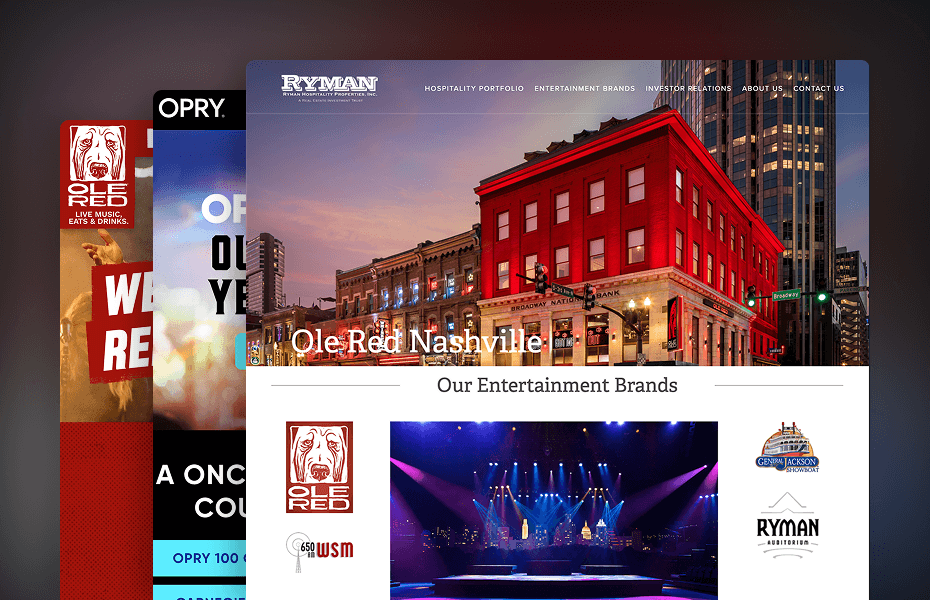
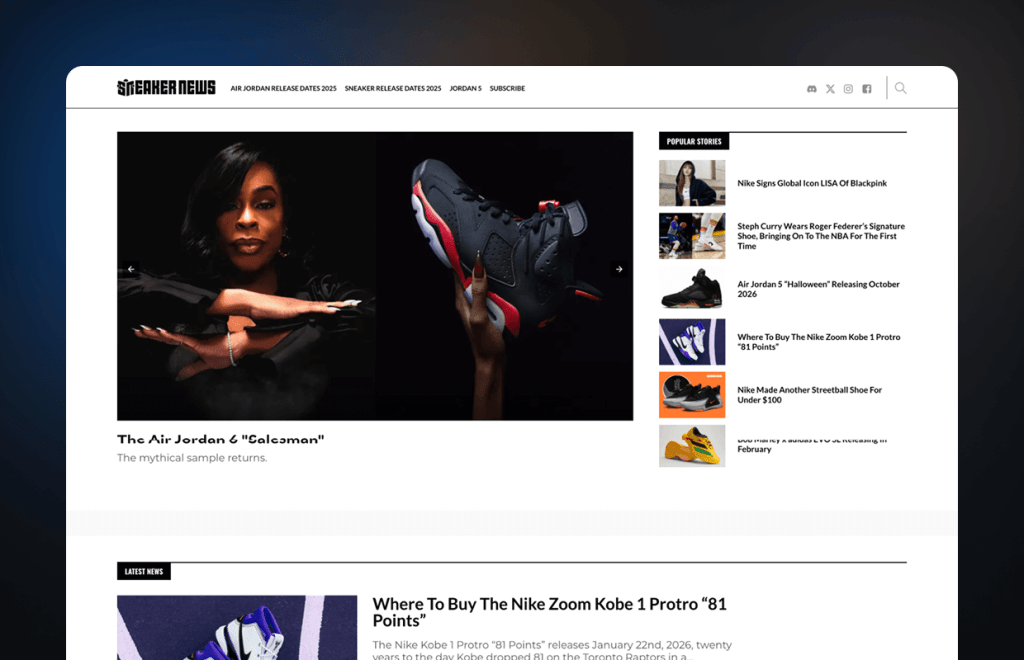
Run by the same engineers who build and scale enterprise WordPress for Accenture, MIT, Sneaker News, Ryman Hospitality, and Ask Media Group. 28 WordPress Core contributors and 23 VIP-certified developers on our roster. As the 5th largest global contributor to WordPress Core in 2024, we audit the platform we help build.
Enterprise Specialization Across High-Traffic Environments
17+ years of enterprise WordPress, 1000+ migrations completed, and active work on multisite networks, publisher platforms serving millions of monthly readers, and mission-critical brand sites. Not a generalist agency that also does WordPress.
Findings Tied to Business Outcomes
Every finding is mapped to the business outcome it affects: revenue, rankings, compliance, or operational cost. Leadership can prioritize without translating tech into commercial language.
Outputs Your Team Can Actually Ship
Every audit ships with a sequenced roadmap your engineering team can execute, not a deck that sits in a folder. Where useful, findings are handed over as ticket-ready backlog items mapped for your tracker of choice.
Is a Multidots WordPress Audit Right for You?
A Good Fit If You Run:
- Enterprise WordPress sites with significant traffic or revenue exposure
- WordPress multisite networks with multiple properties or brands
- Publisher platforms with editorial complexity and high content velocity
- Sites with custom development, custom integrations, or third-party dependencies
- Sites preparing for replatforming, migration, or a major scale event
- Estates that have been touched by multiple agencies over the years
Probably Not the Right Fit If You Have:
- A small brochure site running stock themes and a handful of plugins
- A low-budget DIY setup with no plans for ongoing engineering investment
- A site under 10k monthly sessions with no commercial dependency on it
Our Five-Phase Audit Process
Discovery and Access
Agree on scope, get read access to the environments and tools we need, and align on the templates and user flows that matter most.
Automated Diagnostics
Run our full diagnostic stack across performance, security, SEO, accessibility, and code quality. The data layer.
Manual Deep-Dive
Our engineers, SEO leads, and accessibility specialists go where the tools can’t: code review, architecture review, governance review.
Analysis and Prioritization
Synthesize findings, score them by impact and effort, and build the prioritized roadmap.
Stakeholder-Ready Reporting and Walkthrough
You receive the full deliverable pack plus a live walkthrough with your team to align on next steps.
Most engagements take 1 to 2 weeks from kickoff to final walkthrough. Larger multisite networks or complex custom builds can extend to 3 weeks.
Multidots team accomplished what we hoped they would in an incredibly tight timeframe. All 11 websites are now performing at their best on WordPress VIP Platform and Multisite Setup — Huge thanks to the Multidots team!

Multidots team significantly enhanced our website performance, reducing load time from 5 seconds to an impressive 1.2 seconds. As a result, our organic search traffic increased from 40% to 60%!


Get a Clear, Prioritized Roadmap for Your WordPress Site
Find what’s costing you performance, security, rankings, and revenue, and leave with a sequenced plan to fix it. Most audits start within 7 days of a scoping call.
Frequently Asked Questions
Most audits run 1 to 2 weeks from kickoff to final walkthrough. Larger multisite networks or complex custom builds can extend to 3 weeks.
Read access to staging or production WordPress (admin role, or a custom audit role), the hosting control panel or server, your analytics setup, and any monitoring tools you use. We send a scoped access checklist before kickoff.
No. Our diagnostics are non-disruptive. Load testing, where relevant, is run against staging or scheduled for low-traffic windows.
Both, on your call. The deliverables are designed so your in-house team or current agency can execute them. If you want us to deliver the fixes, we scope the remediation engagement separately.
Yes. We’ve audited networks running 100+ properties, including 11-site media networks, hospitality portfolios, and global multisite setups. Multisite audits cover network configuration, shared resources, plugin and theme governance across sites, and cross-site performance.
Automated scanners cover surface-level checks: known vulnerabilities, broken links, basic performance scores. Our audit combines that data with manual code review, architecture review, governance assessment, and a business-impact analysis. The deliverable is a roadmap, not a checklist.
Yes. As a WordPress VIP Gold Partner, we audit VIP environments with full awareness of platform constraints, deployment workflows, and VIP-specific best practices.