
Sitecore to WordPress: Consolidating 20 Global Sites
Executive Summary
A billion-dollar global automotive manufacturer faced rising costs and operational inefficiencies with its Sitecore-based CMS. Publishing new content required heavy developer involvement, and launching new regional or event sites was slow and complex.
Multidots migrated a global automotive manufacturer’s 20 websites from Sitecore to a WordPress multisite network, cutting total cost of ownership by 35% and removing developer dependency for publishing. The 22-week migration also gave editorial teams rapid launch capability for new regional and event sites.
Developer Dependency
Cost Reduction Achieved
Websites Unified
About: A Global Automotive Manufacturer
A global leader in automotive seating with operations in over 30 countries and more than 200 manufacturing and assembly plants worldwide.
The organization delivers seating systems to all major automotive OEMs and employs over 10,000 people globally. With an estimated annual revenue of $16 billion, the company operates at enterprise scale across multiple territories and product lines.
Brand
Employees
Countries of Operation
The Challenge: The Sitecore Cost & Publishing Bottleneck
Despite its global scale, the client’s Sitecore-based system created operational friction.
The team faced major hurdles:
- High Licensing Costs: Ongoing Sitecore licensing significantly increased total cost of ownership.
- Developer-Dependent Publishing: Content updates required engineering involvement, slowing editorial velocity.
- Global Expansion Constraints: Launching new regional or event microsites required time-consuming configuration.
- Compliance Complexity: Content governance and GDPR compliance required structured oversight.
The Goal: A scalable WordPress multisite network that reduced costs, streamlined publishing workflows, and enabled rapid deployment of regional and event-based websites.
The Solution: Enterprise-Grade Migration & Multisite Architecture
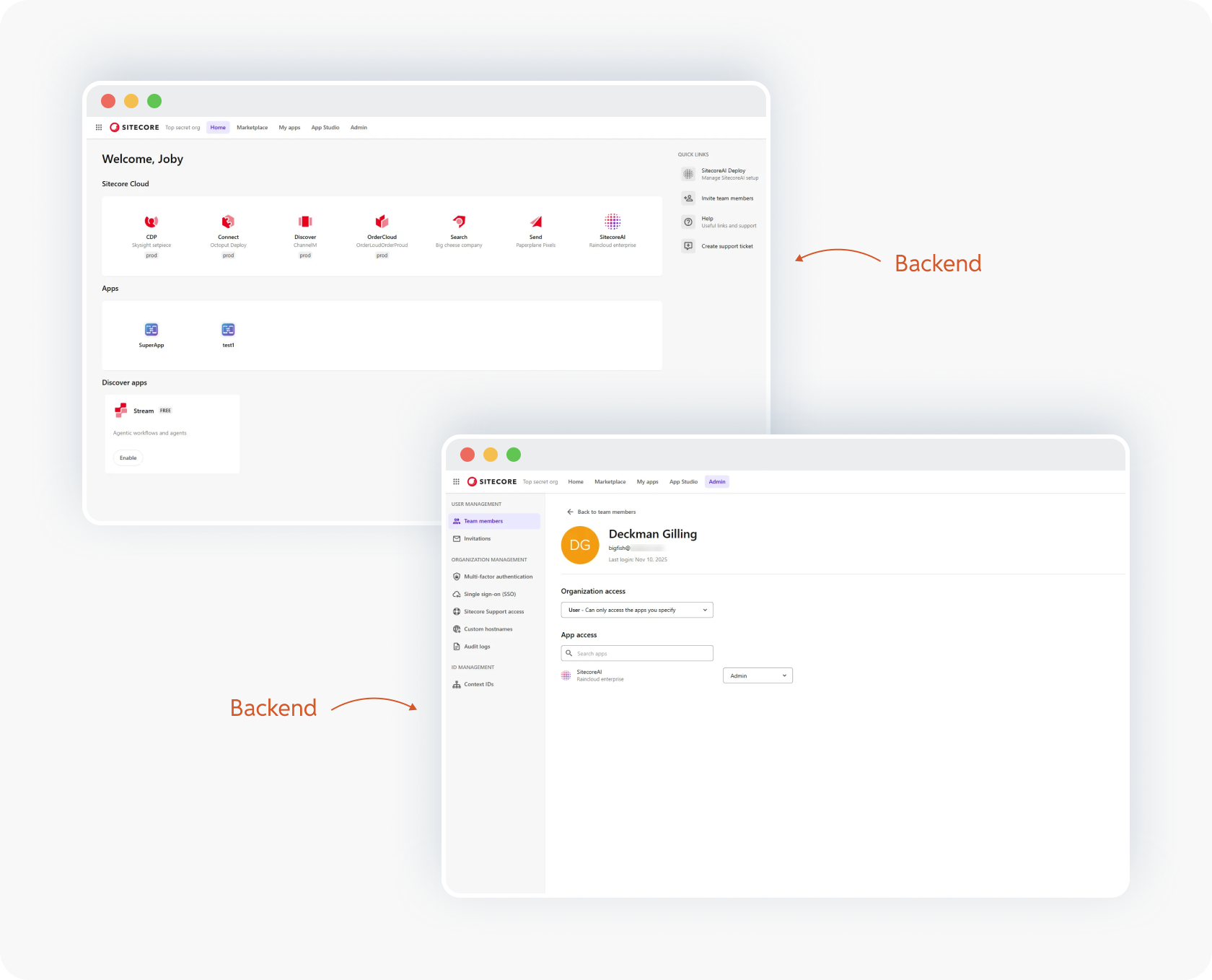
Multidots deployed a structured migration strategy using a hybrid agile-scrum approach to manage the aggressive timeline.
Key Technical Implementations:
- Automated Large-Scale Migration: Migrated 20 websites, 20 archive sites, and 20,000+ media assets to WordPress while preserving structure and compliance requirements.
- WordPress Multisite Framework: Implemented a multisite network enabling rapid deployment of new regional and event websites.
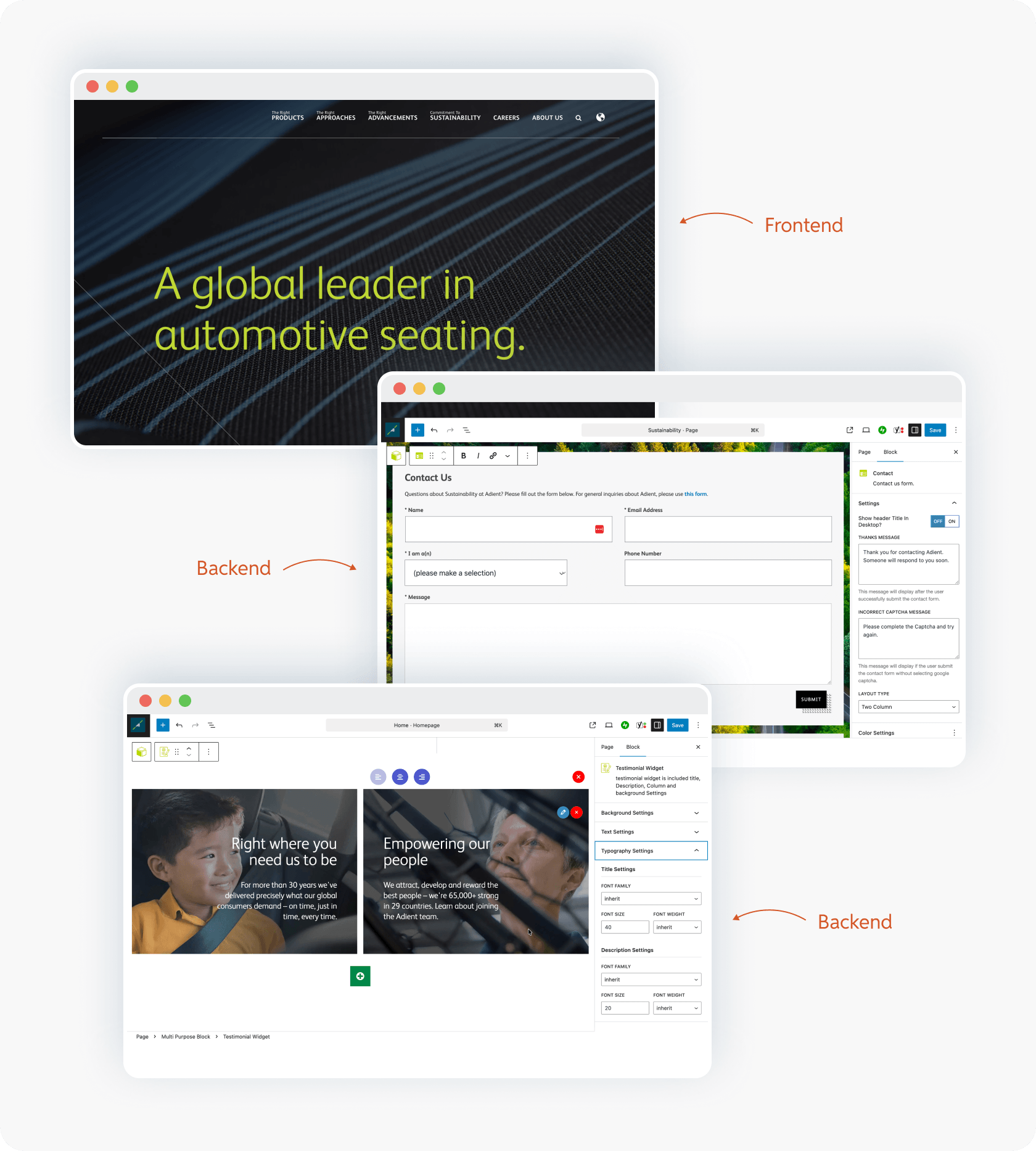
- Gutenberg-First Publishing: Streamlined administrative workflows using the Gutenberg block editor.
- Custom Gutenberg Blocks: Developed specialized blocks including a 360-degree product showcase and advanced accordion components.
- API Integration: Built custom APIs to publish content across news and investor platforms.
- Compliance Auditing: Conducted GDPR audits and coordinated with legal teams to ensure regulatory compliance.
- Template Library System: Created ready-to-deploy page templates enabling rapid site creation.
Despite tight deadlines, the Multidots team met all quality standards. The new website has streamlined our process, saving our team time. Their seamless collaboration, efficient workflow, and excellent communication make them an outstanding and trustworthy partner.
The Results: Speed, Scale, and Editorial Control
The migration transformed the client’s global publishing infrastructure.
1. Performance & Experience
- High-Performance WordPress Architecture
- Real-Time Editorial Updates via Gutenberg
- Enhanced Global Publishing Flexibility
2. Operational Efficiency
- 35% Reduction in Cost of Ownership
- Rapid Launch Capability for Event & Regional Sites
- Developer Independence for Editorial Teams
- Unified Multisite Dashboard for Global Properties
- Delivered On Schedule in 22 Weeks
Sitecore to WordPress: Consolidating 20 Global Sites
A global automotive brand partnered with Multidots to migrate 20 sites to WordPress, reducing costs by 35% and enabling faster publishing.